

Which came first, the umbrella or the parasol?
In Chinese history, the first depictions of gods and rulers with parasols appear around 2,000 BC. Rulers created shade for themselves during processions using "portable roofs", canopies and palm leaves. These forerunners of the parasol probably also served to demonstrate power. The ruler thus stood at the centre, and the "canopy" made him appear larger. The frame was made of bamboo, and the cover was made from oil paper.
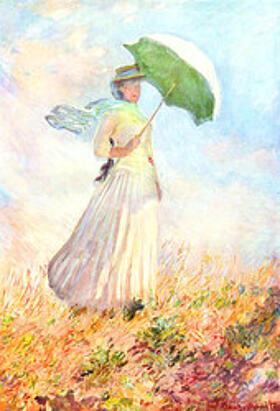
In the 17th century, walking-stick umbrellas were used predominantly by ladies as protection from the sun. The noble pallor was thus perfectly protected, and they also served as a fashionable accessory. In this way, the ladies of the nobility and the bourgeoisie set themselves apart from the working population.
The umbrella, as we know and use it today, began its triumphant rise at the start of the 19th century. Before that, people simply used hooded coats and hats as protection against the rain.
It was only when stick umbrellas became foldable and collapsible that their use grew significantly. The retired mining official Hans Haupt from Breslau invented the first collapsible umbrella in 1928; he called it the "Knirps" and had the invention patented. The pocket umbrella has been widespread ever since and is also very popular as a printed promotional umbrella in the promotional-products market.
Umbrellas today are covered with plastic, nylon or impregnated cotton, and the frame is made of steel or fibreglass ribs.
The importance of parasols as providers of shade has remained unbroken for centuries. Large umbrellas are also very popular as market umbrellas or catering umbrellas. These offer more than just shade: printed parasols are a large advertising surface in public spaces.
Seen in this light, the parasol came first. The umbrella developed later and celebrated its breakthrough with the pocket umbrella that can be folded up. Today both are everyday objects that we greatly appreciate in sunshine and in rainy weather.